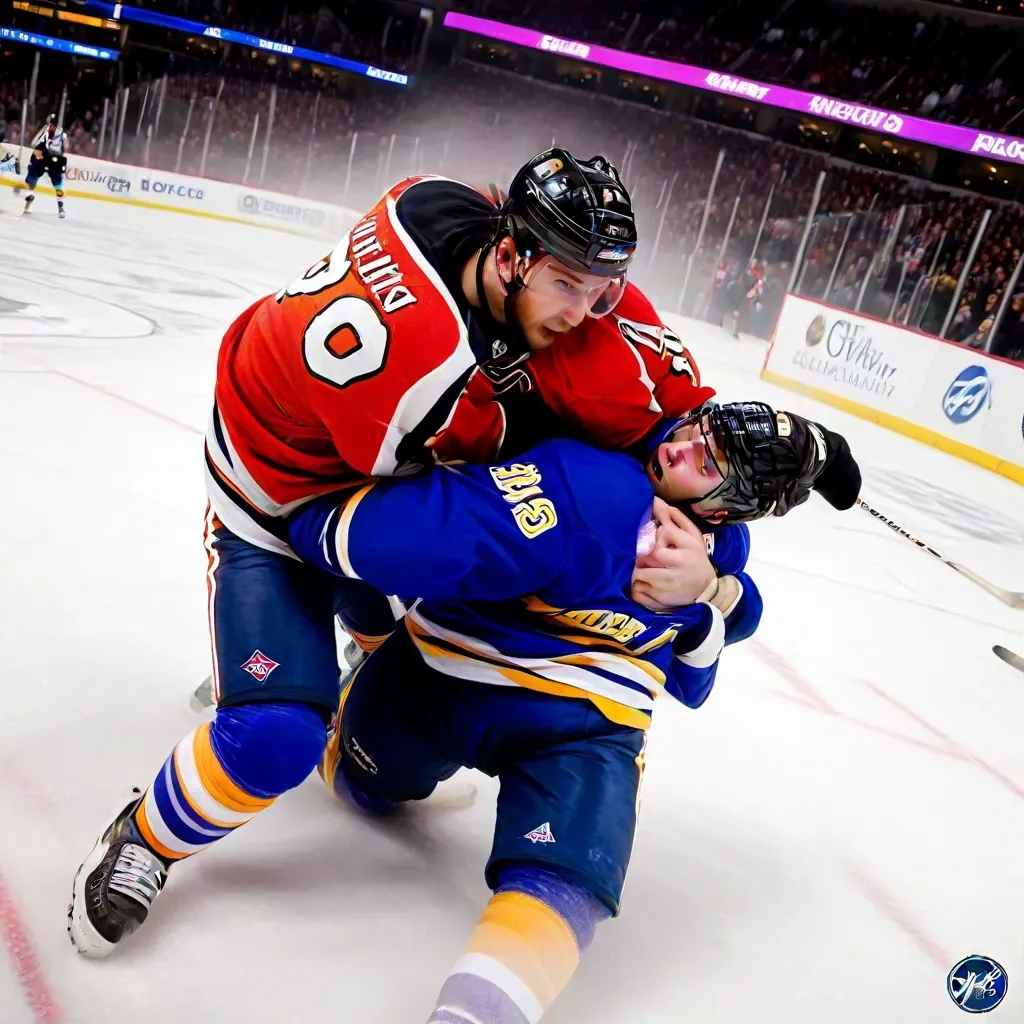
The roar of the crowd is deafening. Skates carve deep trenches in the ice as two titans clash, gloves dropped, knuckles bared. A flurry of punches, a desperate struggle for dominance, and then, the thud of bodies hitting the ice. An NHL fight. It’s a spectacle that ignites passions, a raw display of aggression woven into the very fabric of hockey. But as the sport evolves, a critical question echoes through the arenas: Does fighting still belong in the NHL?
For decades, fighting has been more than just an occasional outburst; it’s been a calculated strategy, a deterrent, a way to shift momentum. This article dives headfirst into the tumultuous world of NHL fights. We will explore the historical roots of fighting in hockey, examining how it became ingrained in the sport’s culture. We’ll dissect the controversial role of the “enforcer,” the player whose primary job was often to protect star players and answer the call to battle. But more importantly, we’ll confront the ethical dilemmas surrounding fighting, weighing its perceived benefits against the very real risks of injury and its impact on the game itself. We’ll analyze how hockey fighting affects the overall fan experience and the sport’s image.
A History of Fisticuffs: The Evolution of Fighting in the NHL
Early Days: Bare Knuckles and Beyond Rulebooks
The early days of hockey were a far cry from the polished, highly regulated sport we know today. Back then, hockey was a rough-and-tumble affair, a chaotic clash on ice where the lines between athleticism and outright brawling were often blurred. Protective equipment was minimal, and the rulebooks were even more sparse. With limited oversight and a surplus of testosterone, disagreements were frequently settled with fists. Fighting was as much a part of the game’s fabric as the slap of the puck against a wooden stick. This wasn’t necessarily condoned, but it was understood – a natural consequence of the intense physicality and the high stakes of competition on a playing ground with few constraints.
The introduction of Rule 56
The introduction of Rule 56 was a landmark moment in the evolution of fighting in the NHL. By formally codifying fighting with a five-minute major penalty, the league acknowledged its consistent presence while attempting to exert some control. Paradoxically, instead of curbing fighting altogether, Rule 56 arguably helped to institutionalize it. It provided a framework, a set of consequences that teams could factor into their strategy. Players now knew the price of dropping the gloves: five minutes in the penalty box. This allowed for a calculated approach to fighting, where it could be used to shift momentum, protect star players, or intimidate opponents. The debates around Rule 56 and its impact continue today, where the balance between entertainment, safety, and tradition define the ongoing discussion about fighting in the NHL.
The Enforcer Era: More Than Just a Punching Bag
Defining the Enforcer: Roles and Responsibilities
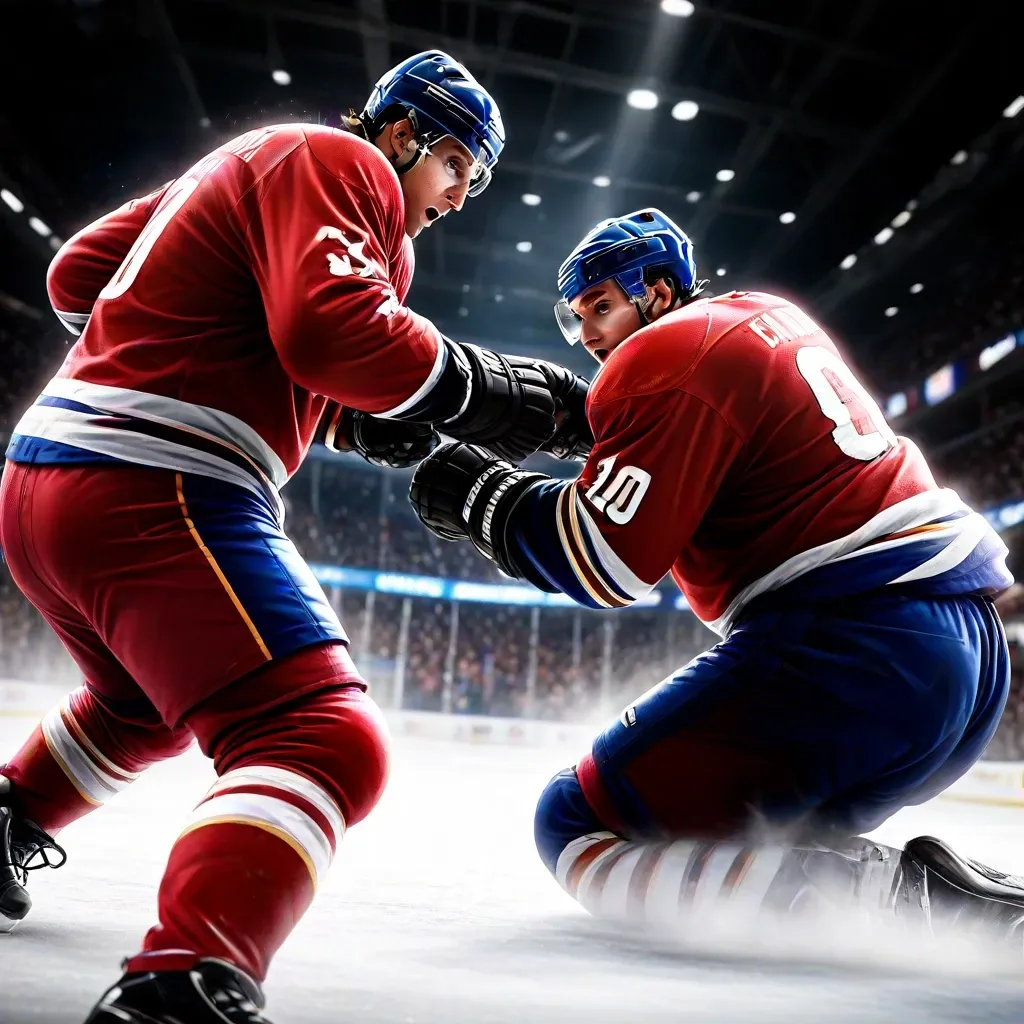
The role of an NHL enforcer extends far beyond simply dropping the gloves. While fighting is a significant aspect of their job description, enforcers primarily serve as protectors of their team’s star players. Their imposing presence on the ice acts as a deterrent to opponents who might be tempted to take liberties with skilled players or engage in dirty, potentially injury-causing plays. Think of them as bodyguards on skates, ensuring fair play and maintaining a level of respect, or at least fear, within the game. Their duties involve physical play, intimidation, and a willingness to answer the bell when a teammate is targeted. They were enforcers of a peculiar brand of on-ice justice.
The Unwritten Code: Honor Among Fighters
Within the seemingly chaotic world of hockey fights exists a surprisingly rigid “unwritten code.” This code dictates the rules of engagement and establishes a sense of honor among enforcers. A core tenet is mutual consent; an enforcer wouldn’t typically target a player known to be unwilling to fight or someone significantly smaller or less experienced. Fair play dictates that the fight needs to be consensual. Furthermore, the code demands respect for a downed opponent – continuing to strike a player who is clearly unable to defend themselves is considered a grave violation. There are principles that are above just punching the lights out of another player, such as not targeting a player if he does not want to fight. While the sport can appear barbaric, some integrity remains.
The Debate Rages On: Does Fighting Have a Place in the Modern NHL?
The presence of fighting in the NHL sparks heated debate, with passionate arguments on both sides. The core of the issue revolves around balancing tradition with player safety, acknowledging fan sentiment, and recognizing the game’s ongoing evolution. The rise in awareness of concussions and the long-term health consequences for players has intensified the scrutiny of fighting’s role. Some argue that eliminating fighting would fundamentally change the NHL’s identity, while others believe it’s a necessary step to protect players and ensure the sport’s future. The conversation extends beyond the ice, involving players, coaches, analysts, and fans, each with unique perspectives on the value – or detriment – of allowing fighting. The perspectives commonly diverge when observing the NHL against other hockey leagues where fighting is not a part of the game.
Arguments For: Tradition, Deterrence, and Fan Excitement
For some, fighting is embedded in the very fabric of hockey, inseparable from its intensity and passion. It’s argued that fighting serves as a deterrent, preventing cheap shots and instilling a sense of accountability among players. The occasional well-timed bout can shift momentum, energize a team, and ignite the crowd, adding a raw, visceral element to the game that many fans find exciting. Some coaches believe that if players couldn’t defend themselves, the game would become even more dangerous. The tradition, viewership, and excitement often go hand in hand with the premise of fighting importance in the NHL.
Arguments Against: Player Safety and the Evolving Game
The primary argument against fighting centers on player safety, particularly the increased risk of concussions and other serious injuries. Opponents of fighting point to the evolving understanding of brain trauma and its long-term effects, asserting that the NHL has a responsibility to prioritize the well-being of its athletes. Some research suggests that concussions have long-term detriments for players. Many believe that the game has evolved, emphasizing skill, speed, and strategy over physicality and intimidation. Retaining fighting, according to this view, hinders the development of more skilled players and ultimately detracts from the overall quality of the game. In this sense, fighting in the NHL puts the game at risk.
Beyond the Brawls: The Impact of Fights on Attendance and Viewership
The role of fighting in the NHL sparks continuous debate, especially when considering its impact on fan engagement, economic health, and overall viewership. There’s a widely held belief that fights boost fan appeal and, consequently, attendance and revenue. However, analyzing available data paints a more nuanced picture of the situation. A close examination reveals that the relationship between fighting and these factors is not as straightforward as it might seem. Actually, it can be influenced by many parameters.
Several people consider it as a crude method of entertainment, while others view it as an attempt to defend teammates or shift the momentum of a game. Regardless of your opinion, it is undeniable that its relevance is intensely debated.
Moreover, the broader cultural context plays a significant role. Shifting attitudes toward violence in society could reshape fan preferences, making fighting a less critical element for drawing crowds. Understanding these dynamics is crucial for the NHL’s future, as it navigates the balance between tradition and evolving fan expectations.
Data-Driven Insights: What the Numbers Say
Looking closely at statistics concerning NHL attendance alongside with fighting incidents reveals some interesting correlations. Data show that a decline of fighting does not lead to reduced attendance and viewership. Instead, factors like team performance, star player appeal, and marketing efforts appear to have a more significant impact. These numbers challenge the accepted idea that fighting is the primary driver of fan interest. Although there is some evidence that fighting increases instantaneous viewership, it is very marginal.
The Cultural Shift: Changing Attitudes Towards Violence
Society’s views on violence are continuously evolving, and this shift inevitably affects the perception of fighting in hockey. Nowadays, physical affray is not accepted and many believe that such displays have become obsolete. With growing awareness of issues like player safety and concussions, there is an increasing call to minimize brawls and penalize violence. These changing standards influence the next generation of fans, who may prioritize skill, speed, and strategic gameplay over physical altercations.

The Code Today: How has Fighting Shaped the Modern Game?
Today’s Fighting
The modern era of hockey witnesses a significantly different landscape regarding fighting compared to its earlier, more turbulent days. While not entirely absent, the frequency of fights has demonstrably decreased. Rule changes, a greater emphasis on skill and speed, and a growing awareness of the long-term health consequences associated with repeated head trauma have all contributed to this decline. Fights are no longer a nightly occurrence, and when they do happen, they often stem from specific on-ice incidents rather than being pre-planned or purely for intimidation. The game prioritizes finesse and strategic play over brute force, reflecting an evolution in the understanding and appreciation of the sport.
Consequences
The consequences of fighting in contemporary hockey extend beyond mere penalties on the ice. Players who engage in fights face potential suspensions, fines, and, most significantly, an increased risk of injury. Head injuries, including concussions, are a primary concern, prompting stricter enforcement of rules against fighting and advocating for player safety. The long-term impact of repeated blows to the head is now well-documented, raising awareness about the potential for chronic traumatic encephalopathy (CTE) and other neurological disorders. Teams also suffer when key players are sidelined due to fighting-related injuries or suspensions, impacting their overall performance and chances of success. Therefore, the price of a fight today includes immediate penalties as well as potential long-term damage to player health and team dynamics.
Conclusion
Summary and Recap
This exploration has delved into the multifaceted issue of fighting in hockey, tracing its historical roots, examining its purported justifications, and confronting the growing concerns about player safety and the sport’s image. We’ve weighed the arguments from traditionalists who view fighting as a self-regulating mechanism and a source of excitement against the perspectives of those who advocate for its elimination, citing the risks of injury and the potential for a more skilled and less violent game.
Final Thoughts
The future of fighting in the NHL remains uncertain, caught between tradition and evolution. While its complete eradication seems unlikely in the immediate future, a continued decline in frequency and a stricter enforcement of rules surrounding fighting are probable. The NHL of tomorrow may feature a faster, more technically refined style of play, where skill trumps brawn and the emphasis shifts definitively towards player well-being. Ultimately, the debate surrounding fighting reflects a larger conversation about the values we prioritize in sports: spectacle versus safety, tradition versus progress.