
I remember one hand vividly. I was at a no-limit Texas Hold’em table, pot was bloated, tension was thick enough to cut with a knife. I had a decent hand, but my gut screamed something wasn’t right. My opponent’s eyes betrayed nothing, but the way they pushed their chips forward, the ever so slight hesitation… I folded. Later, I watched them reveal a monster hand that would have crippled me. That fold, seemingly a surrender, saved me a substantial stack.
Many poker players view folding as a sign of weakness, a concession to the cards. The truth? The ability to strategically fold is not just about dodging bullets; it’s about positioning yourself for long-term poker success. It’s a critical skill, a cornerstone of profitable poker. In this guide, we’ll unravel the principles of strategic folding, showing you how to transform your game and consistently increase your winnings.
Folding isn’t just about avoiding losses; it’s a proactive move. It allows you to conserve your chips, gather information, and wait for better opportunities. Sometimes, the smartest play you can make at the poker table is simply to get out of the way. Letting your hand go increases your chances of lasting longer in the game and being in the best possible position to win.
The Fundamentals of Folding
In poker, folding is the act of discarding your hand and forfeiting any further participation in the current round of betting. It’s one of the fundamental poker actions, alongside betting, raising, calling, and checking. Unlike pushing chips into the pot, folding is about strategically bowing out. Folding is a pivotal move in minimizing losses and conserving your stack for more promising opportunities. It is not an admission of defeat, but a calculated tactical retreat.
Folding allows you to avoid potentially costly situations when your hand is weak or the odds are stacked against you. Instead of throwing good money after bad, folding lets you preserve your chips for spots where you have a better chance of winning. Even recreational players can improve their game by incorporating well-timed folds.
Recognizing Unfavorable Situations
Knowing when to fold is crucial for survival and success in poker. Here are some common scenarios where folding is often the best play:
- Weak Hand: When dealt a starting hand with low potential, such as 2-7 offsuit in No-Limit Hold’em, folding is typically the right choice.
- Out of Position: Playing out of position (acting before many other players) with a marginal hand can be difficult. For instance, calling a raise from early position with K-10 offsuit might be unwise, as you’ll have to act first on every subsequent street.
- Aggressive Opponents: Facing overly aggressive players who constantly bet and raise can put immense pressure on your stack. If you hold a decent but not premium hand, like pocket eights, it might be best to fold to avoid getting pushed around.
- Marginal Holding: Let’s say the board shows three cards to a straight and flush, and you hold only one of those cards. Folding becomes a strong consideration, because you don’t want to call a big bet or raise when it is very possible your opponent has the goods.
Understanding Hand Rankings and Probabilities
A solid understanding of hand rankings is poker 101. You absolutely must know that a flush beats a straight, and a full house beats a flush. Beyond that, a grasp of hand probabilities is what separates the good players from the rest. It’s about assessing the strength of your hand relative to the board and your opponents’ possible holdings. This involves considering factors like pot odds, implied odds, and the likelihood of improving your hand on future streets. Learning how to calculate your chances of hitting a draw or making a better hand will allow you to make better, more informed decisions at the table.
Beyond the Basics: Understanding Fold Equity
Fold equity is a cornerstone of aggressive poker strategy. It essentially represents the probability that your opponent will fold when facing a bet, granting you immediate victory regardless of your actual hand’s strength. This concept transforms bluffing from a desperate gamble into a calculated maneuver. By understanding fold equity, you can make hands that would otherwise be unprofitable at showdown, become a source of profit.
The size of your bet relative to your opponent’s stack and the pot is a key determinant of your fold equity. Larger bets typically generate more fold equity, as they present a greater risk for your opponent. However, over betting can sometimes decrease fold equity, as it may appear too bluffy and encourage calls from more experienced opponents. I once found myself in a situation where I was holding a marginal hand on the river, but through astute observation, I had determined my opponent was risk averse. I made a substantial over-bet, and they folded despite having a stronger hand. This victory was not due to my hand’s power but to the fold equity I generated.
Remember that in the long run, equity tends to prevail. Fold equity will only make you money if it is used in appropriate spots, and if you overestimate your fold equity or bluff too often, it will eventually impact you negatively.
To approximate fold equity, estimate the percentage of times your opponent will fold to your bet. For example, if you bet $100 into a $100 pot and estimate that your opponent will fold 40% of the time, you are immediately winning $100 forty percent of the time, regardless of if you have the best hand. This simple calculation is the foundation for more advanced poker math.
Factors Influencing Fold Equity
Several factors can influence your fold equity. Your table image plays a significant role; a player perceived as tight is more likely to get folds when they bet aggressively, whereas a loose player might find their bluffs called more often. Furthermore, a player that has been caught bluffing recently will have troubles bluffing in the near future.
Understanding your opponent’s tendencies is also crucial. Some players are “calling stations” who rarely fold, while others are “nits” who fold to any sign of aggression. Adjust your bluffing frequency accordingly.
Stack sizes also impact fold equity. If you’re all-in, there’s no fold equity to consider, as your opponent cannot fold, and by extension, you can no longer use fold equity to your advantage.
Calculating Fold Equity (Simplified)
While complex poker software can calculate fold equity with precision, a simple rule of thumb can be applied during the game. Focus on estimating whether the potential reward of your bluff (the pot size) outweighs the risk (the bet size) multiplied by the estimated probability of being called.
For example, if you are betting $50 into a $100 pot, you need your opponent to fold more than 33% of the time to make your bluff profitable. Poker tools/calculators can do this calculation for you, but quickly doing it in your head will allow you to react to your opponent sooner, and allow you to make better decisions.
Reading the Room: Exploiting Opponent Tendencies to Maximize Folds
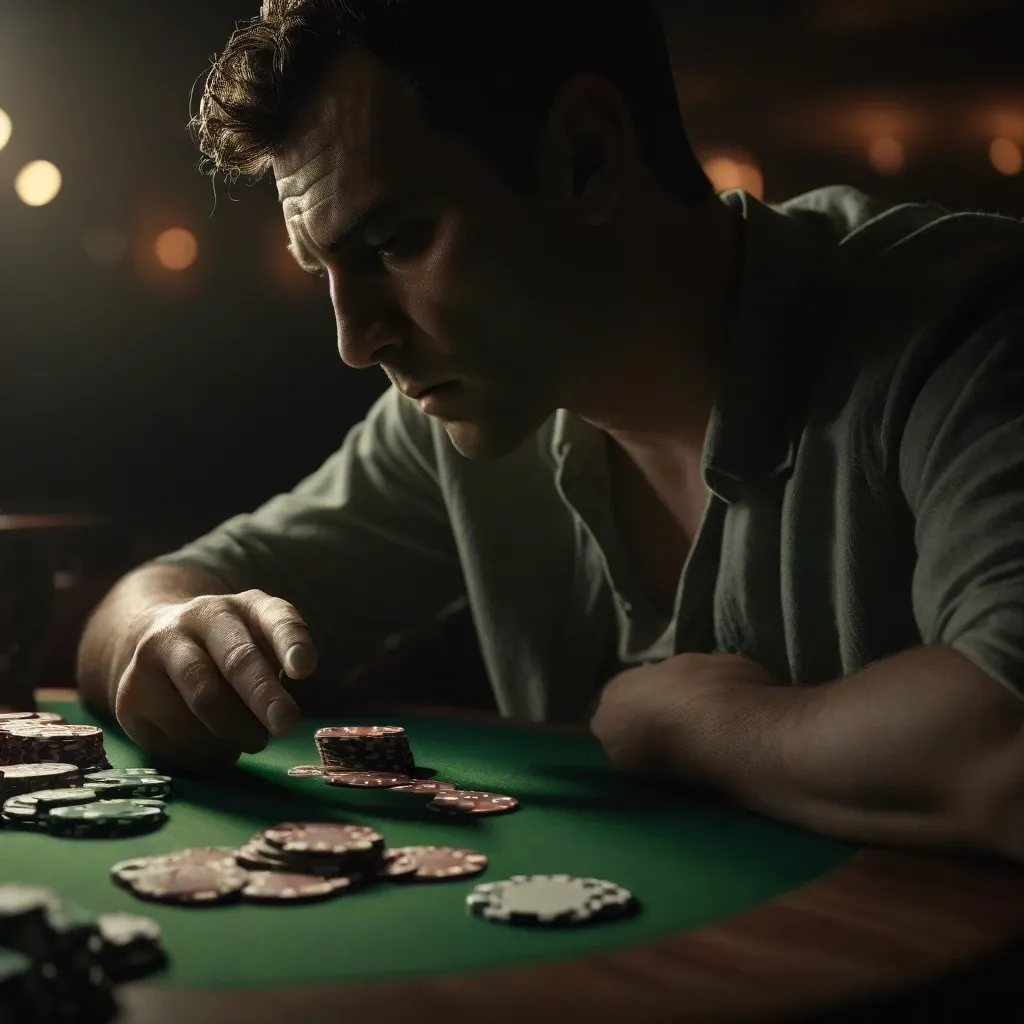
In the intricate dance of poker, knowing when to fold is as crucial as knowing when to bet. While understanding your own hand and the pot odds is fundamental, a deeper layer of mastery involves reading your opponents. Exploitative play thrives on identifying and leveraging opponent tendencies. Forget memorizing complex charts; the real edge comes from dissecting the table dynamics and recognizing that different players have vastly different folding frequencies based on their style. It’s about opponent profiling, picking up on subtle poker tells, and adapting your strategy accordingly.
Is your opponent a rock-solid player who only bets with the nuts? A well-timed bluff might induce a fold. Conversely, against a loose-aggressive maniac, a seemingly strong hand might be best mucked if they show relentless aggression. Success in poker isn’t solely about having the best hand; it’s about exploiting the weaknesses in your opponents’ game.
Identifying Player Types and Their Folding Frequencies
Different poker player archetypes exhibit distinct folding frequencies. A tight-passive player, often referred to as a “rock,” will typically fold to any significant aggression, especially if they perceive weakness in their own hand or face a substantial bet. A loose-aggressive player, or “maniac,” however, is far less likely to fold, often calling with marginal hands or even bluffing relentlessly. Recognizing these player archetypes is the first step. However, always be cautious as table image, stack positioning, the stage of the tournament and even their mood could influence a player´s decision to fold a hand. Be ready to adapt your strategy.
Using Betting Patterns to Decipher Hand Strength
Beyond player types, pay close attention to betting patterns which can be a goldmine of information. A hesitant bet sizing might indicate a weaker hand, while a swift, confident raise often signals strength. Consider the context: a player who suddenly deviates from their usual betting pattern might be trying to deceive you. Also, take into account the bet sizing in relation to the pot. Overbets can indicate both absolute strength or desperate bluffs, while small bets can be used to extract value from weaker holdings. By observing these cues, you can begin to narrow down your opponents’ hand ranges and make more informed folding decisions.
The Art of the Hero Fold
The hero fold. It’s poker’s equivalent of dodging a speeding bullet – a testament to discipline, observation, and the sometimes painful acceptance that your opponent simply has you beat. It’s about laying down a strong hand, maybe even a very strong hand, because the situation screams danger. Forget the ego; a great fold is infinitely better than a bad call. It’s defying the very human urge to see what your opponent has, the burning curiosity that often leads to costly mistakes.
Imagine this: You’re holding top pair, top kicker on a relatively dry board. You bet, your opponent calls. The turn card brings a scare card – completing a potential straight or flush. Your opponent, who seemed passive before, now bets aggressively. This isn’t just about “gut feeling”. It’s about analyzing the previous action, considering your opponent’s tendencies, and acknowledging the new possibilities the board presents. Perhaps they slow-played a monster, or maybe they’re semi-bluffing, but the risk is now too high to call – you must fold the best hand.
The key to mastering the hero fold lies in developing a keen sense of your opponent. Are they generally tight or loose? Aggressive or passive? Have you noticed any patterns in their betting behavior? A solid hero fold isn’t a random act of cowardice; it’s a calculated decision based on accumulated information and a willingness to trust your read. This read needs to be carefully constructed, and not based merely on your hopes. Hero folds are a tool. Don’t go looking for them, but when the situation calls for it, be ready to make them.
Recognizing Value Bet vs. Bluff
Deciphering your opponent’s intentions is crucial. A value bet aims to extract maximum value from a weaker hand, while a bluff attempts to force a fold. Look for inconsistencies: a shaking hand followed by an out-of-character large bet is a classic, but unreliable, sign of a bluff. A surprisingly small bet from an opponent who usually bets big could also mean that he truly wants you to call with your weaker hand. Focus on bet sizing in relation to the pot and previous actions, and how it deviates from past behavior as strong indicators.
Analyzing Board Texture and Possible Hands
The board texture is your roadmap. A “dry” board, with few draws possible, means your top pair is likely stronger. A “wet” board, flush and straight draws everywhere, demands caution. Let’s say the board shows two hearts. Even if you hold the Ace of hearts, you need to consider the possibility that your opponent has a made flush or is drawing to one. Don’t fall in love with your hand. Thinking about what your opponentcould* have, and the likelihood of them having it based on the board and their actions, is the essence of making a hero fold.
The Psychological Game of Folding
Folding in poker isn’t just about math and odds; it’s a deeply psychological battle. The ability to consistently fold marginal hands, even when you’ve already invested chips, is a hallmark of a disciplined and profitable player. But humans are emotional creatures. We get attached to hands, we hate feeling like we’re missing out, and our egos can make us reluctant to admit we might be beat. Mastering the mental game of folding is therefore just as critical as understanding pot odds and implied odds.
One of the biggest hurdles is dealing with tilt. Tilt arises when emotions cloud our judgment, leading to reckless plays and poor decisions. We’ve all been there – losing a big pot and then impulsively calling a raise with a weak hand, hoping to quickly recoup our losses. It’s crucial to recognize the signs of tilt – increased aggression, frustration, or a desire to gamble – and have strategies in place to regain control. Taking a break, practicing deep breathing, or even just stepping away from the table for a few minutes can help reset your emotional state and allow you to approach the game with a clearer mind.
Poker success hinges on making profitable decisions over the long run, and sometimes, the most profitable decision is to fold. Mental exercises, like meditation, can sharpen focus and improve decision-making under pressure. By training your mind to remain calm and centered, you can better resist the urge to act impulsively and make more rational choices at the table.
Overcoming Fear of Missing Out (FOMO)
FOMO is arguably the poker player’s secret enemy. It whispers doubts when you’re considering a fold: “What if you hit your draw? What if they’re bluffing?”. It’s the fear of missing out on a potentially huge pot, or worse, letting someone else win a pot you feel entitled to. It pushes you towards making calls you know are unprofitable. The reality is you can’t win every hand and chasing every pot will quickly bleed your chip stack dry. Accept that folding is part of the natural ebb and flow of the game and will give you funds to play another hand.
Detaching from Individual Hands
Poker is a long-term game. Obsessing over the outcome of any single hand is useless and distracting. Instead of focusing on short-term results, concentrate on consistently making sound, mathematically-backed decisions and the long-term profits will take care of themselves. Try to see each poker session as a series of isolated decisions, each independent of the last. If you made the right decision in a particular hand, the result – whether you won or lost – is ultimately irrelevant.
Long-Term Profitability: How Folding Impacts Your Win Rate
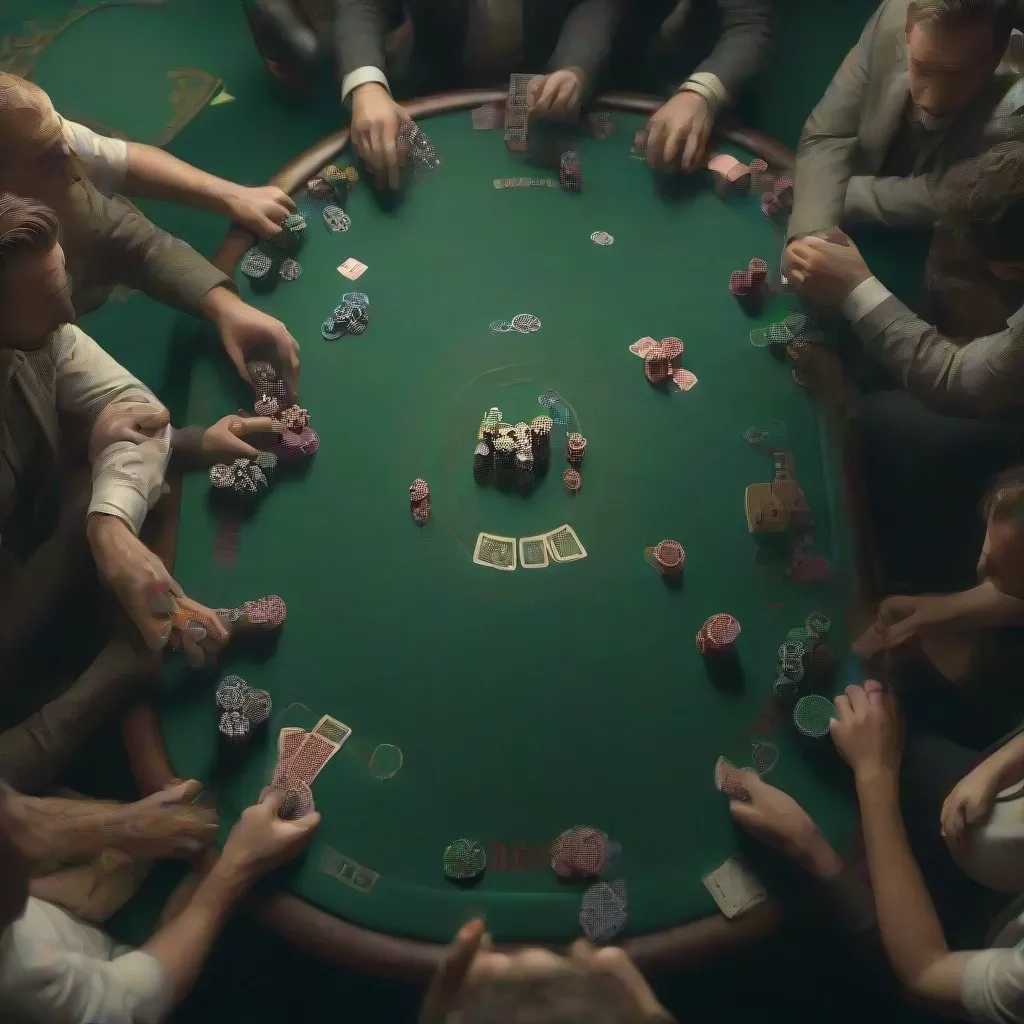
The most successful poker players know that folding isn’t a sign of weakness; it’s a cornerstone of long-term profitability. Disciplined folding is not just about avoiding losses; it’s about strategically maximizing your win rate and ensuring robust bankroll management. Every hand you fold is a potential loss avoided, freeing up your resources for more favorable opportunities. By consistently making smart folding decisions, you protect your bankroll from unnecessary risks and create a more stable foundation for long-term success.
The direct relationship between disciplined folding and a higher win rate is undeniable. By selectively playing only the strongest hands in advantageous positions, you significantly improve your chances of winning. This calculated approach leads to a higher return on investment (ROI) and allows you to climb the stakes with confidence. Think of folding as a powerful weapon in your poker arsenal, one that protects your resources and sets the stage for bigger wins.
Improved discipline in folding has had a significant impact on my poker results. In the past, I chased marginal hands, hoping for a lucky break. More often than not, this led to unnecessary losses that slowly chipped away at my bankroll. I started using poker tools to track my folding frequency and identify areas for improvement. Once I committed to folding more often and waiting for premium opportunities, my win rate improved dramatically.
Calculating Your Folding Frequency Stats
Several tools can help you analyze your folding habits. PokerTracker and Hold’em Manager are two popular options that track your folding frequency across different positions and situations. These tools provide valuable data, allowing you to identify leaks and adjust your strategy accordingly.
Adjusting Your Strategy Based on Folding Stats
Once you’ve assessed folding stats, it’s time to make adjustments. If you’re folding too much, you might be missing profitable opportunities. If you’re not folding enough, you’re likely bleeding chips on marginal hands. Remember to find the balance between aggression and caution. Analyze your stats and adjust your approach to maximize your profitability.
Conclusion
Mastering the art of folding is not just about avoiding losses; it’s about strategically positioning oneself for profitable opportunities. A well-timed fold is a powerful weapon in the poker arsenal, preserving capital, protecting one’s mental game, and ultimately paving the way for long-term poker success. Don’t underestimate the significance of this often-overlooked poker strategy.
So, embrace the fold! Implement the strategies discussed, analyze each situation carefully, and remember that sometimes, the best play is to step away. By doing so, you’ll not only become a more disciplined player but also significantly increase your chances of achieving lasting success at the poker table. Folding is not quitting; it’s a calculated move that separates the casual players from those who are serious about winning.