
I’ll never forget the day “Dust Devil” – a 50-to-1 longshot – came charging from the back of the pack to win by a nose. The roar of the crowd, the disbelief on faces, and the payout… it was electric. That day, I learned a valuable lesson: in horse racing, anything can happen. While favorites often take the glory, the real value, the hidden potential, often lies with the underdogs.
Betting on longshots isn’t about reckless gambling; it’s about identifying opportunities where the odds don’t reflect a horse’s true potential. It’s a calculated risk, a hunt for value that, when successful, can result in a seriously big payout.
But here’s the truth: longshot betting is difficult. The vast majority of longshots lose, and lose badly. Knowing which ones to back, and how to bet them, can be the difference between a losing streak and a triumphant victory. Less than 5% of longshots actually win, but those wins made can significantly increase your overall profit.
Why Underdogs Offer Real Value (If You Know What You’re Doing)
The world of horse racing, and other sports where a pari-mutuel betting system is in play, presents a unique opportunity to find value where others don’t see it: in the underdogs. Unlike fixed-odds betting where the odds are set by a bookmaker, pari-mutuel betting pools all the wagers together. The odds are then calculated based on the total amount bet on each horse. This dynamic system, while seemingly efficient, can actually create significant market inefficiencies ripe for exploitation.
The core principle at play is something often referred to as the “wisdom of the crowd.” The idea is that the collective opinion of many individuals is generally more accurate than that of a single expert. However, crowds are also prone to biases, following trends, and overreacting to perceived information, creating market gaps. In pari-mutuel betting, this often translates to the public over-betting the perceived favorites. They see a horse with a good track record or a famous jockey and pile on the money, driving the odds down to ridiculously low levels.
This leaves the underdogs, the horses that the crowd overlooks, often significantly undervalued. For example, there was a race where one prominent horse was considered to be very strong, but on the day the horse was visibly agitated. Bettors who didn’t watch the horse directly would not have known that. By going against the grain and backing a longshot with better temperament and hidden potential, you could capitalize a high price. This isn’t about blind luck; it’s about identifying situations where the crowd’s perception deviates from the horse’s true probability of winning.
The pari-mutuel system, therefore, becomes a game of spotting mispriced horses. It’s about recognizing when the crowd’s enthusiasm for a favorite has inflated their odds to an unsustainable level, leaving value on the table for those willing to look beyond the obvious.
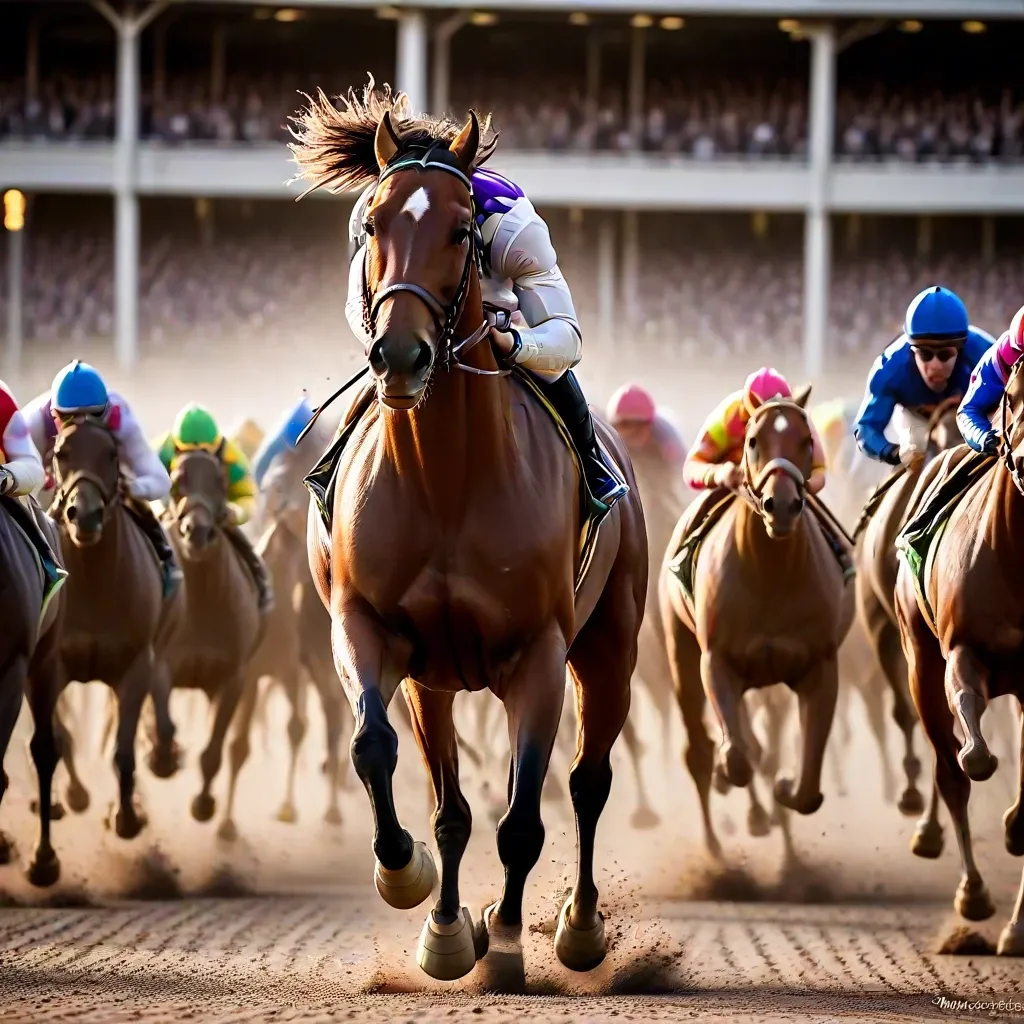
Decoding the Data: Essential Handicapping for Longshots
Finding value in horse racing often means looking beyond the obvious and identifying longshots poised for a breakthrough. Handicapping these horses requires a different approach, one that focuses on subtle indicators of potential. It’s about digging into the data to uncover hidden advantages and anticipate improvements that the casual observer might miss. Identifying improving form, understanding the implications of a class drop, and recognizing favorable changes in conditions are all crucial components of successful longshot handicapping.
Improving Form
Instead of fixating on a horse’s finishing position in its last race, examine the underlying elements of that performance. Is the horse showing signs of improvement, even in a losing effort? Look for subtle clues in the past performances. For instance, consider a horse that steadily improves its pace figures in each fraction of a mile, demonstrating growing stamina. Another indicator is a strong closing speed, suggesting the horse was gaining ground at the end of the race and simply ran out of real estate. Maybe the horse was wide the entire trip, losing ground. Recognizing these subtle signs of progress is key to identifying longshots.
A significant drop in class can be a powerful indicator, as it puts the horse in a race against less talented competition. The key is to determinewhy* the horse is dropping in class. Is it a sign of decline, or is the trainer strategically placing the horse for a confidence-boosting win? Look for horses that have shown flashes of brilliance at a higher level but struggled due to tough competition or unfavorable race conditions. A class drop, combined with other positive factors, can signal a horse ready to outperform its odds.
Horses, like athletes, often perform better under specific conditions. Some excel on dirt tracks, while others prefer turf. Some thrive at shorter distances, while others possess the stamina for longer runs. Delve into a horse’s past performances to identify its preferred track surface, distance, and even weather conditions. A horse switching to a surface or distance where it has previously shown success is worth a second look, especially if it offers attractive odds. By paying attention to these seemingly minor details, you can uncover hidden advantages and increase your chances of success at the track.
Advanced Strategies for Longshot Betting
Finding value in longshot betting requires moving beyond basic handicapping and delving into more nuanced aspects of horse racing. This involves understanding the subtle intentions of trainers and jockeys, and interpreting the often-telling signals hidden within betting market fluctuations. Recognizing these undercurrents can significantly improve your chances of landing a profitable longshot.
Trainer and Jockey Intent
Experienced trainers often exhibit predictable patterns. Some use specific races as a means to build fitness in a horse, with the true target race several weeks down the line. Identifying these races, where the horse might not be fully exerted, can present opportunities when the horse is entered in a more suitable contest later on. Similarly, jockeys often have tendencies – some excel at riding frontrunners, while others are adept at navigating through traffic from the back of the pack. Understanding these preferences and matching them with a horse’s running style can provide an edge. For example, a trainer known for meticulously planning campaigns may enter a seemingly outmatched horse in a particular race, only to unleash them later with a tactical advantage. Recognizing these subtle cues, accumulated over time, allows you to anticipate when a longshot is primed for a surprise performance. It is important to acknowledge habits and successful tactics from the trainer and the jockey, as well as the horse’s tendency.
Interpreting betting market movements, especially late money surges just before a race, can be invaluable, and you can investigate using resources likeA sudden influx of money on a longshot often indicates informed betting. This “late money” could stem from connections within the stable or individuals with reliable inside information. While not foolproof, a significant odds drop in the final minutes before a race warrants attention. However, it’s crucial to differentiate between genuine informed money and mere panic betting. Look for consistent, steady support rather than a single large wager that could skew the odds artificially.
Remember, longshot betting is a long-term game. Not every wager will be a winner. However, by consistently applying these advanced strategies – recognizing trainer patterns, understanding jockey tendencies, and interpreting betting market signals – you can significantly increase your chances of finding those overlooked gems and ultimately achieving profitable results over time.
Managing Risk and Bankroll: Betting Smart on Longshots
Chasing longshots can be exhilarating, but without a solid understanding of bankroll management, that thrill can quickly turn into a financial headache. The key to making this strategy sustainable is to approach it with a calculated risk assessment and unwavering discipline.
Let’s be brutally honest: losing streaks are not just possible when betting on longshots, they’re practically guaranteed. The payoffs are huge for a reason – these horses are unlikely to win. That’s why responsible bet sizing is paramount. A popular method, though complex, is the Kelly Criterion, which suggests bet sizes proportional to the perceived edge and the odds. However, for simplicity, a fixed percentage strategy often works well. For example, risking only 1-2% of your total bankroll on any single longshot bet protects you from devastating losses and allows you to weather the inevitable dry spells.
Before even placing a bet, it’s crucial to understand the implied probabilities. Many resources could help, like Pappy’s Playbook, which offers insights into understanding true odds and identifying value. This knowledge informs your bet sizing and helps you determine if a longshot is truly worth the risk.
Speaking from experience, early in betting days, became convinced that a particular longshot was a sure thing. Ignoring bankroll management principles, placed a significantly larger portion of it than I should have. The horse lost, and the bankroll took a considerable hit. The lesson learned was invaluable: emotional betting and deviating from a well-defined strategy is a recipe for disaster. Set realistic expectations, accept losses as part of the game, and, above all, avoid the temptation to chase losses. Longshot betting is a marathon, not a sprint. Steady, calculated bets will keep you in the game longer and increase your chances of hitting that life-changing payout.
The Long Game: Patience and Discipline
Betting on longshots isn’t a quick path to riches; it’s a long-term game demanding significant patience and unwavering discipline. Chasing immediate wins through emotional bets almost always leads to losses. Think of it as a marathon, not a sprint. Success hinges on consistently applying a well-defined strategy and trusting the process, even when faced with a string of losses.
Maintaining discipline can be tough. There will be times when you’re tempted to abandon your strategy after a series of unsuccessful bets or to increase your stake in an attempt to recoup losses quickly. It’s at these moments that emotional control is most critical. Resisting these urges and sticking to your pre-determined betting plan is essential for long-term profitability.
The thrill of landing a longshot is undeniable, but the real reward in horse racing strategy comes from consistently finding value and profiting over time. Remind yourself that every bet is just one piece of a much larger puzzle. Enjoy the process of analyzing races, identifying potential longshots, and executing your strategy. With patience and discipline as your guiding principles, you’ll be well-equipped to navigate the ups and downs of longshot betting and increase your chances of long-term success.
Conclusion
Mastering the art of betting on horse racing longshots hinges on spotting hidden value, not just chasing big odds. Disciplined bankroll management is your shield, protecting you from the inevitable stumbles. Embrace the continuous learning process – handicapping is a craft honed over time.
Begin with small wagers to test your theories and refine your approach. The track is a laboratory, and every race is a new experiment. The rewards can be significant for those who patiently study the nuances and dare to back their convictions. The surge of adrenaline when a longshot you picked defies expectations and thunders across the finish line? That’s the payoff for dedication, shrewd analysis, and a little bit of faith. It’s a feeling worth chasing, responsibly.